Richard Currier
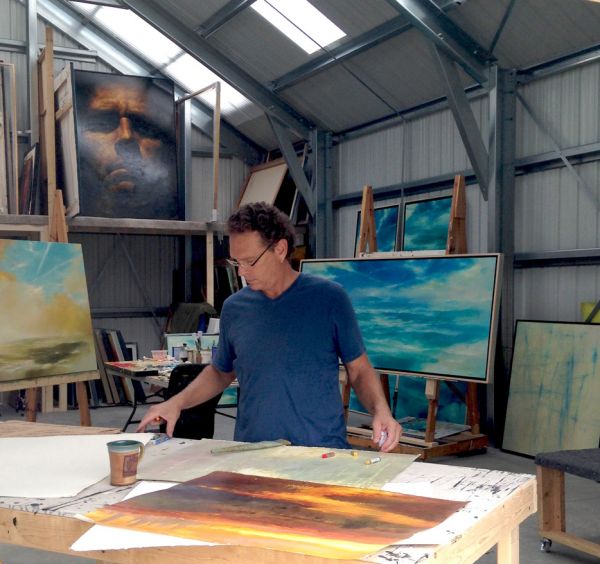
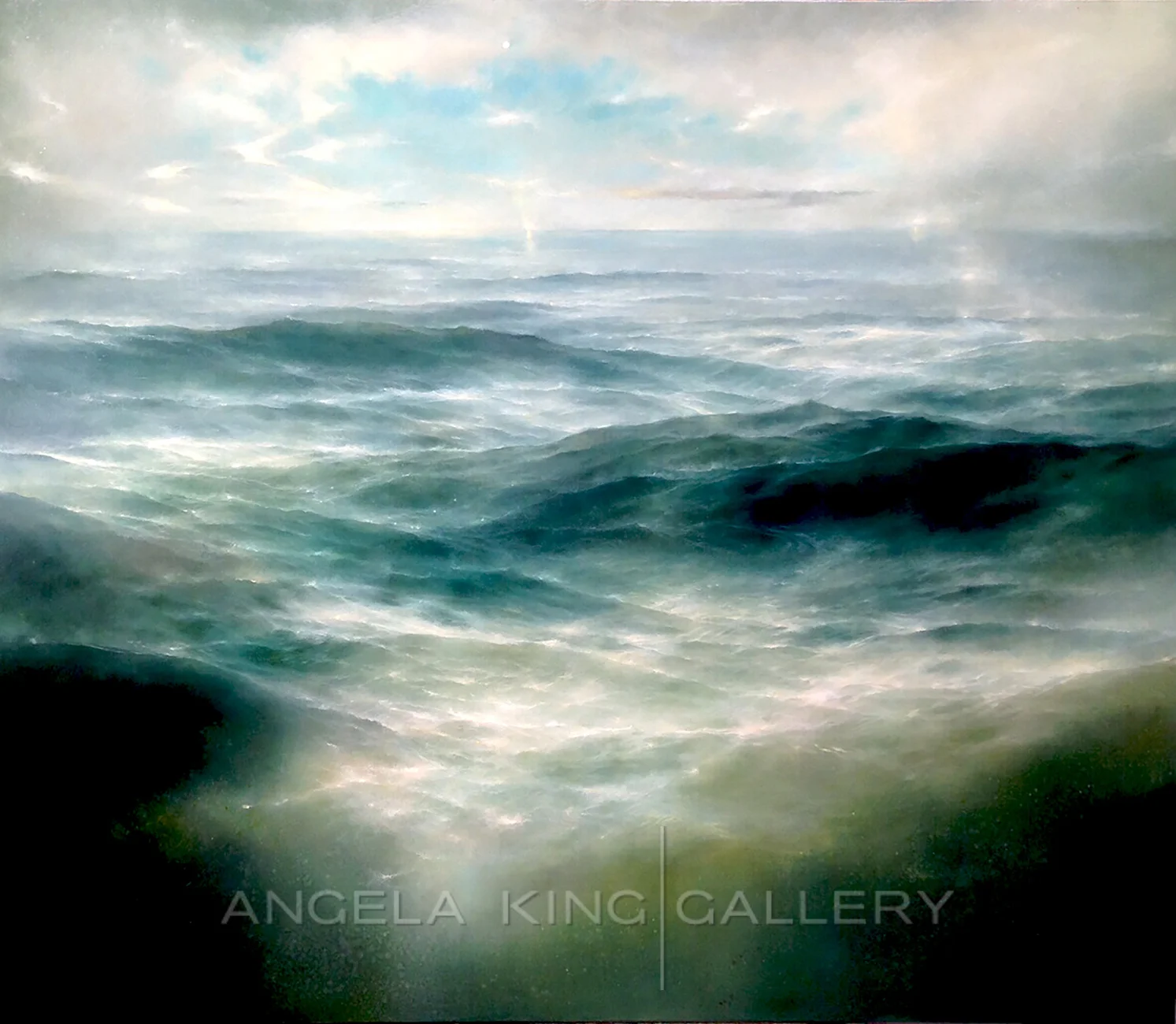
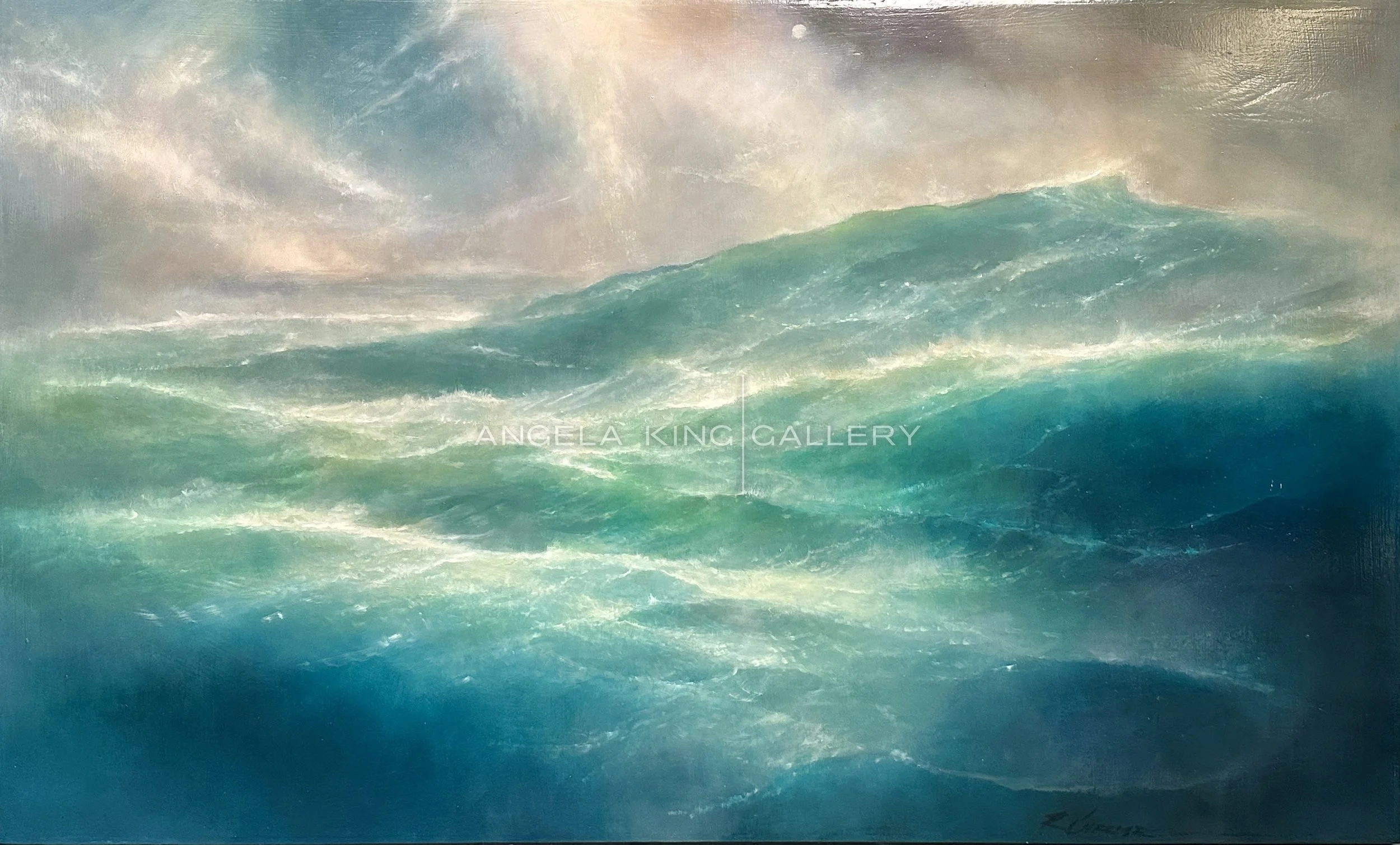
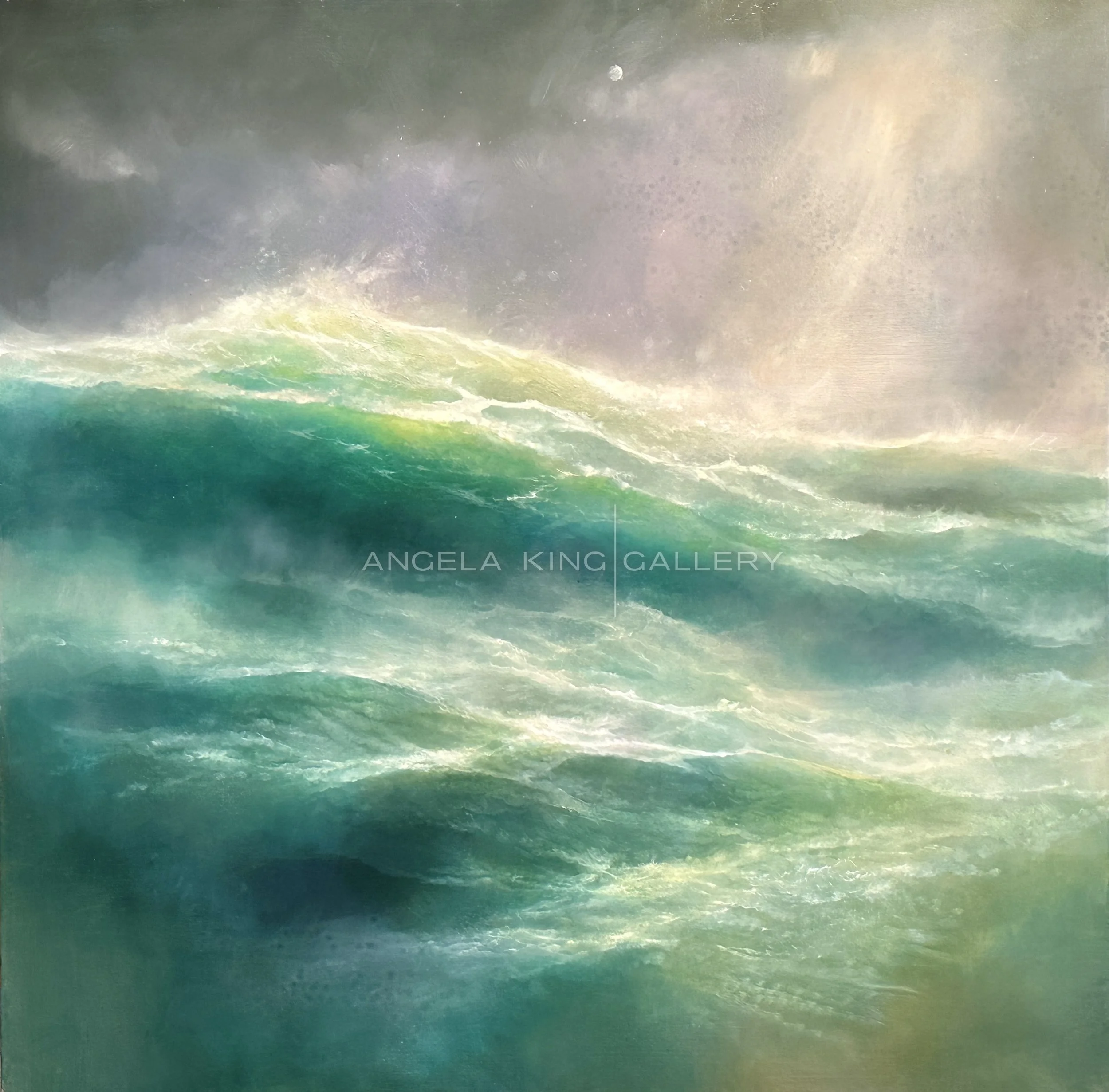
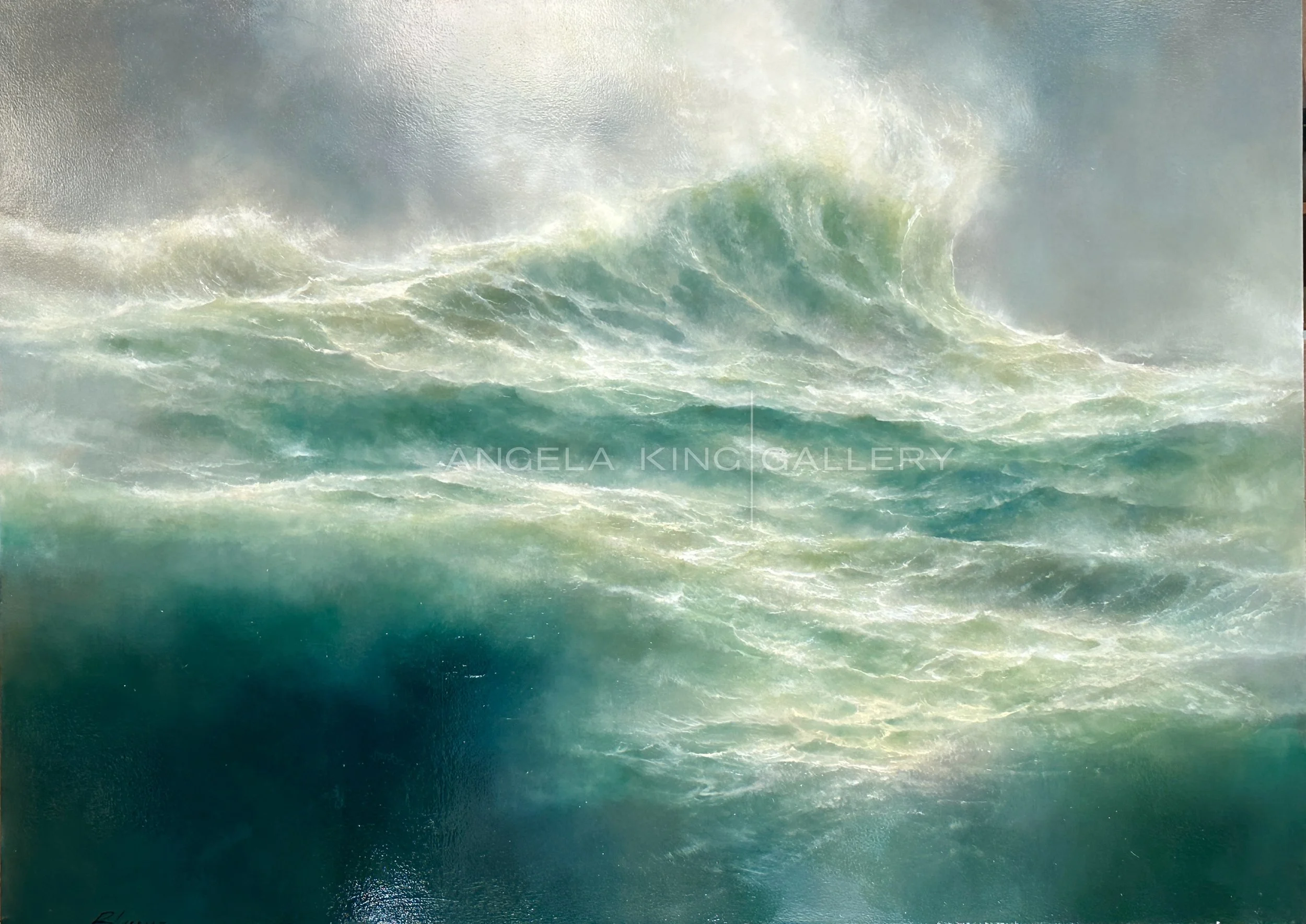
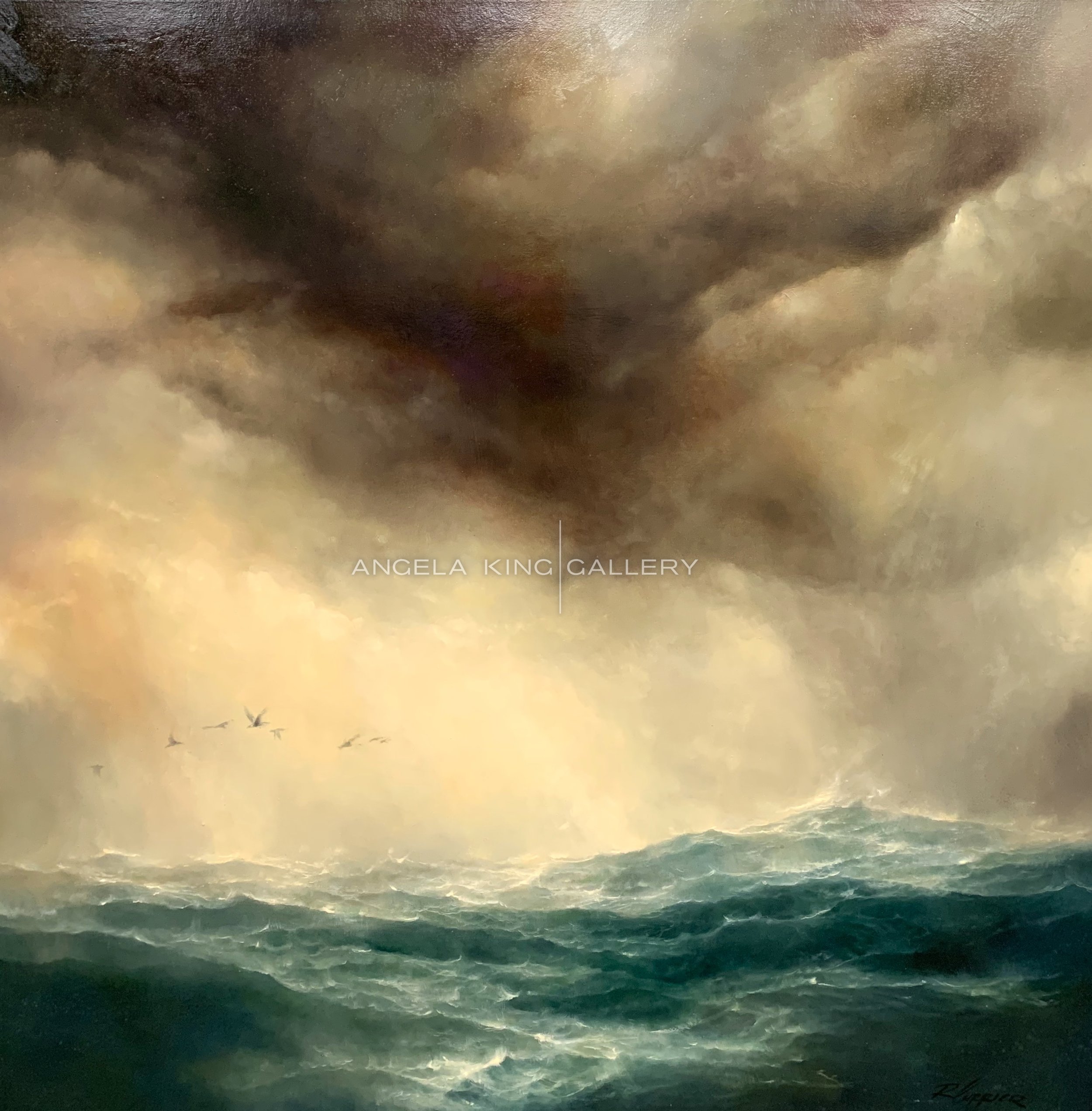
CURRIER'S ATMOSPHERIC OIL PAINTINGS OF OCEANS AND SOUTHERN TROPICAL LANDSCAPES ARE REALISTIC AND ABSTRACT AT THE SAME TIME DEPICTING NATURE IN ART. AS A SAILOR, HE PAINTS FROM THE PERSPECTIVE OF BEING ON THE BOAT, ON CALM AND ROUGH WATER.
To experience a Richard Currier painting is to wake up to a moment. Entering a landscape, we become aware at the axis of ocean and atmosphere. Pausing in the presence of these works, we are invited to journey deeper into ourselves.
Currier’s work can evoke Japanese art from the Muromachi period, a time when merchants hung landscape paintings in their city offices so they could have access to nature even while away from it. These paintings offered moments of pause and reflection during the workday. The zen practice of honoring nature, the foundation on which we build our lives, seems to permeate Currier’s work. That said, these seascapes are distinctly American.
On Ocean
“I have always lived near the ocean and have always been drawn to it as a sailor,” says Currier, whose artistic process is a quest of discovery. “It is the perfect subject for my current mindset. Always in constant motion.” While painting, Currier flows like water through an ever-changing tributary. “I want to go to work every day not really sure how things will start or finish. Although the subjects may be similar, the method changes often and that leads to new results.” The ocean, says Currier, “allows me to be realistic and abstract at the same time. Nothing is more fundamental to life on earth.”
On Atmosphere
When it comes to the tropics, says Currier, “Humidity and haze permeates the atmosphere…I am painting the space between the objects more than the objects themselves.” Standing with a Currier painting, we experience that space. Our pores may involuntarily open, we may smell the saline, hear the gulls. “There is a substance to the space that I don’t feel elsewhere,” says Currier of his southern atmosphere. The painter flushes water to life, takes us deeper into the world of the ocean—and into our own world reflected in the ever-changing wave.
“I am highly influenced by the feel of the place I am in,” says Currier, speaking of his home in the southern wetlands. “I can distinguish the atmosphere of the deep and tropical south as richness in air and light.”
Educated at the Ringling School of Art & Design, with additional studies and research abroad, Richard Currier has been the recipient of many awards, has exhibited extensively throughout the southeastern part of the United States and is honored to be in several museums as well as certain prestigious collections.
We can’t step in the same ocean twice, but that people all over the world connect to the experience of nature in art is a testament to the universal application of Currier’s work.
ARTwork
Please click a thumbnail below to see full image.
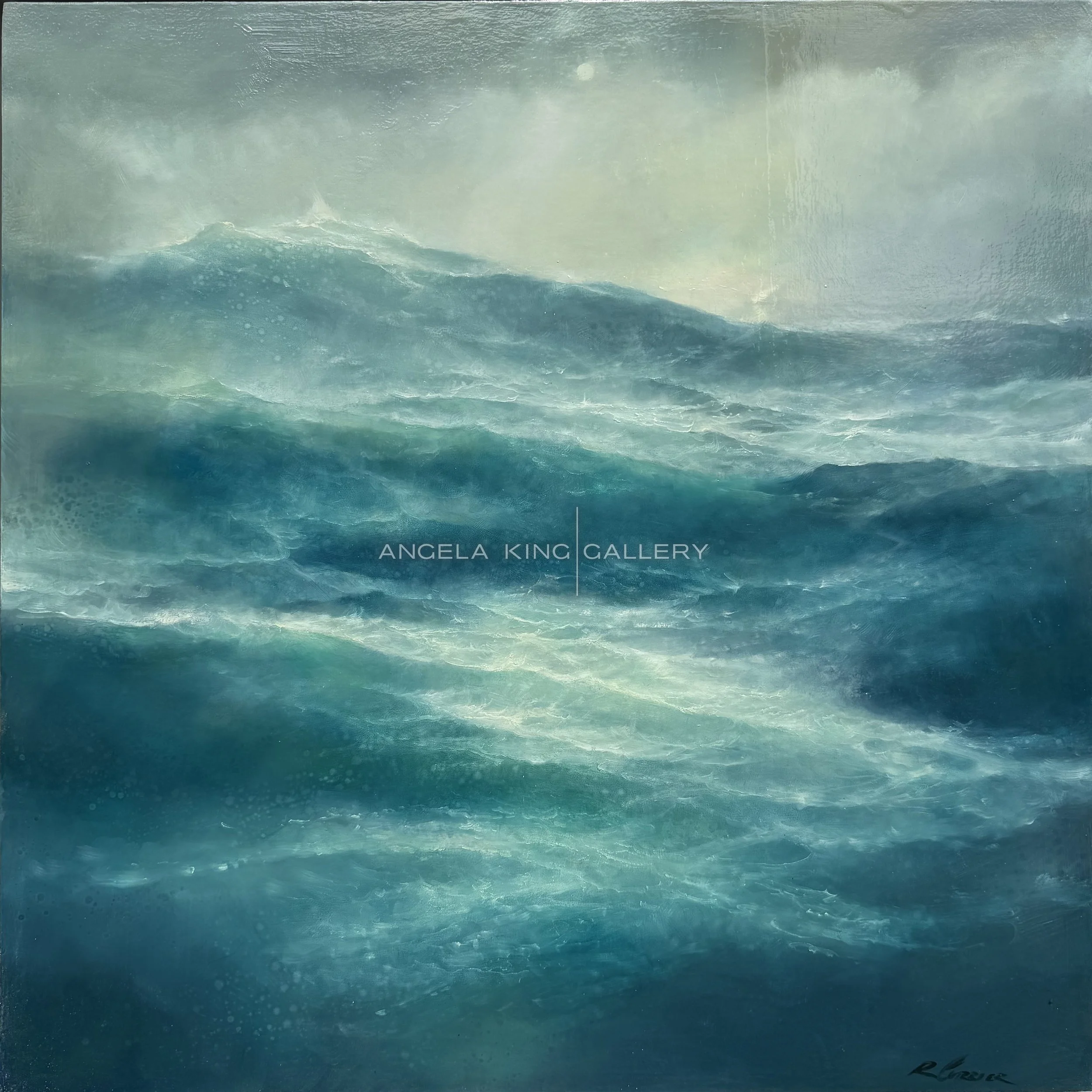
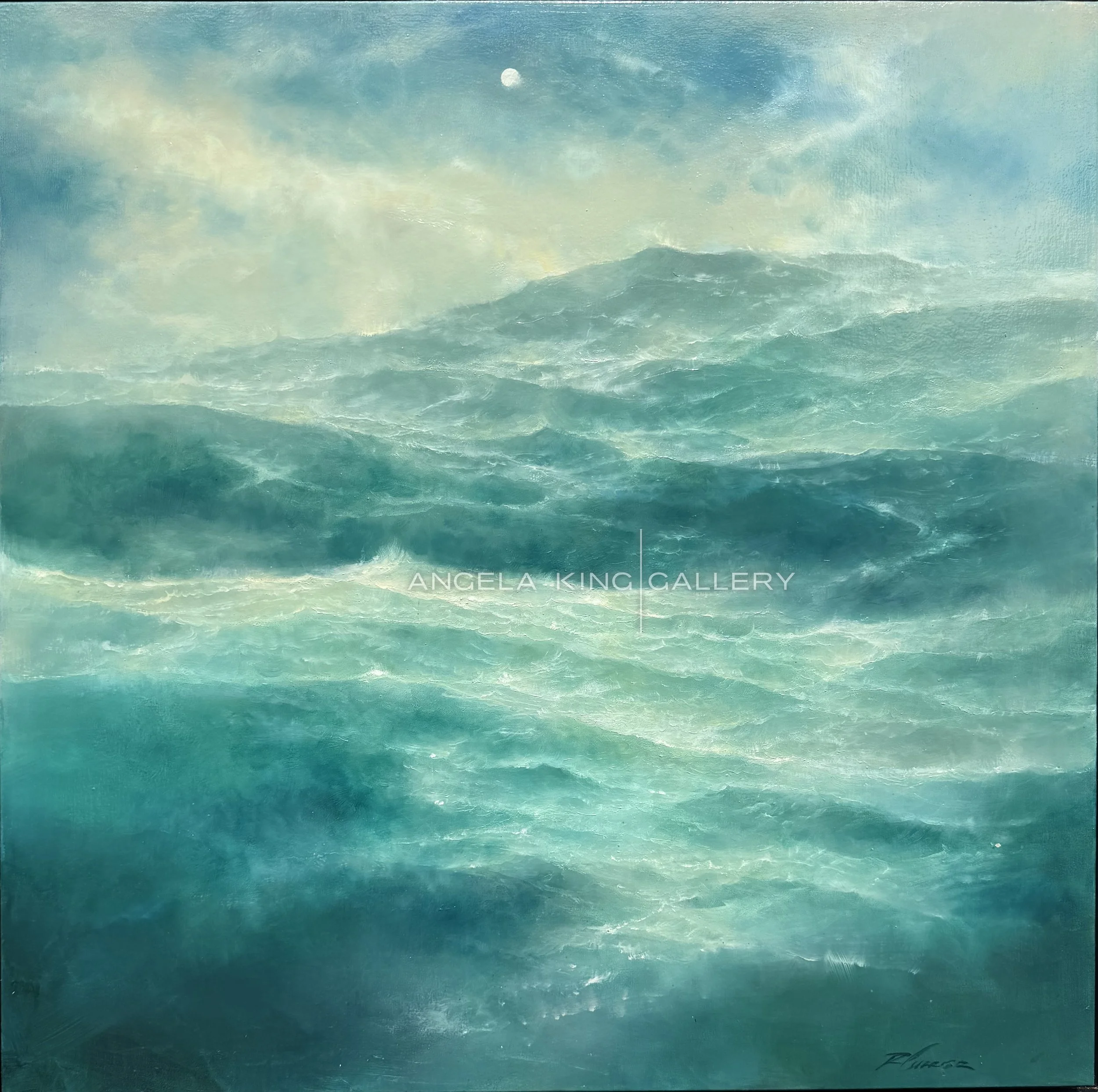




Ocean Divided** - 9 panels overall width 28’ feet. 3 center panels 72” tall. 6 flanking panels 48” tall
press

INTERVIEWS